

Most manufacturing leaders are focused on improving performance through systems and efficiency.
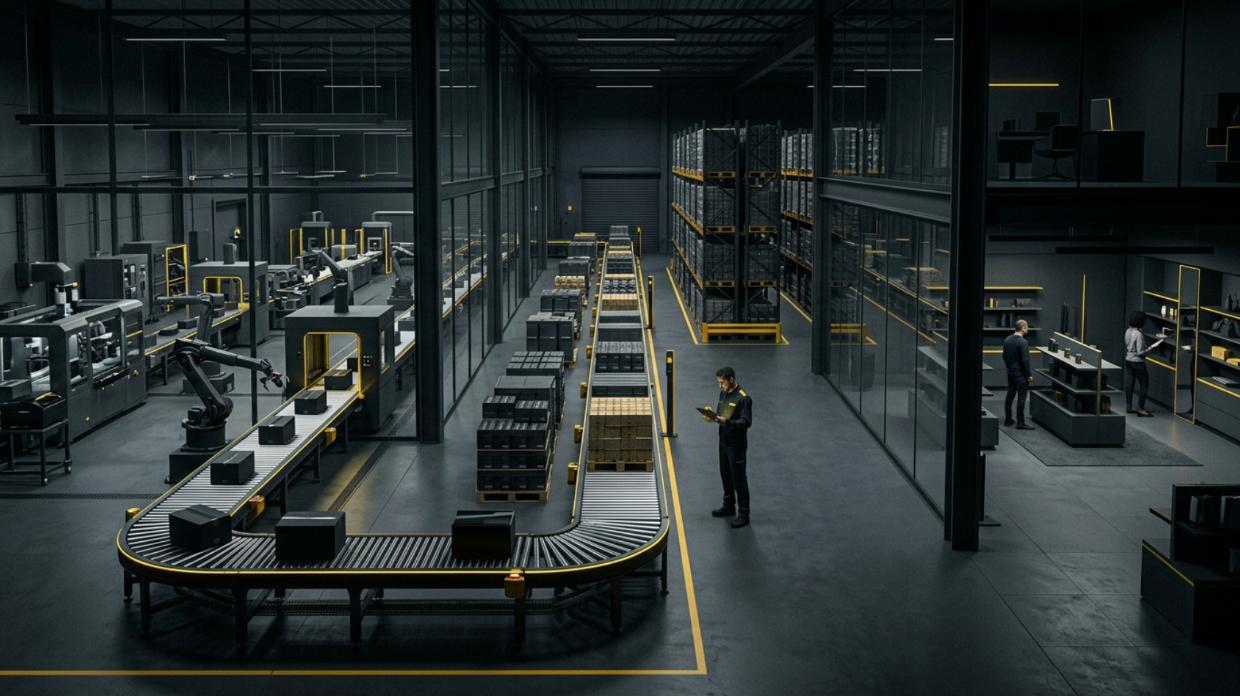
Most manufacturing leaders are focused on improving performance through systems and efficiency.
They invest in:
The assumption is simple:
If the system improves, operations will improve.
But in reality, many operations still struggle with:
Despite all the systems in place.
So the real question is:
What is actually slowing everything down?
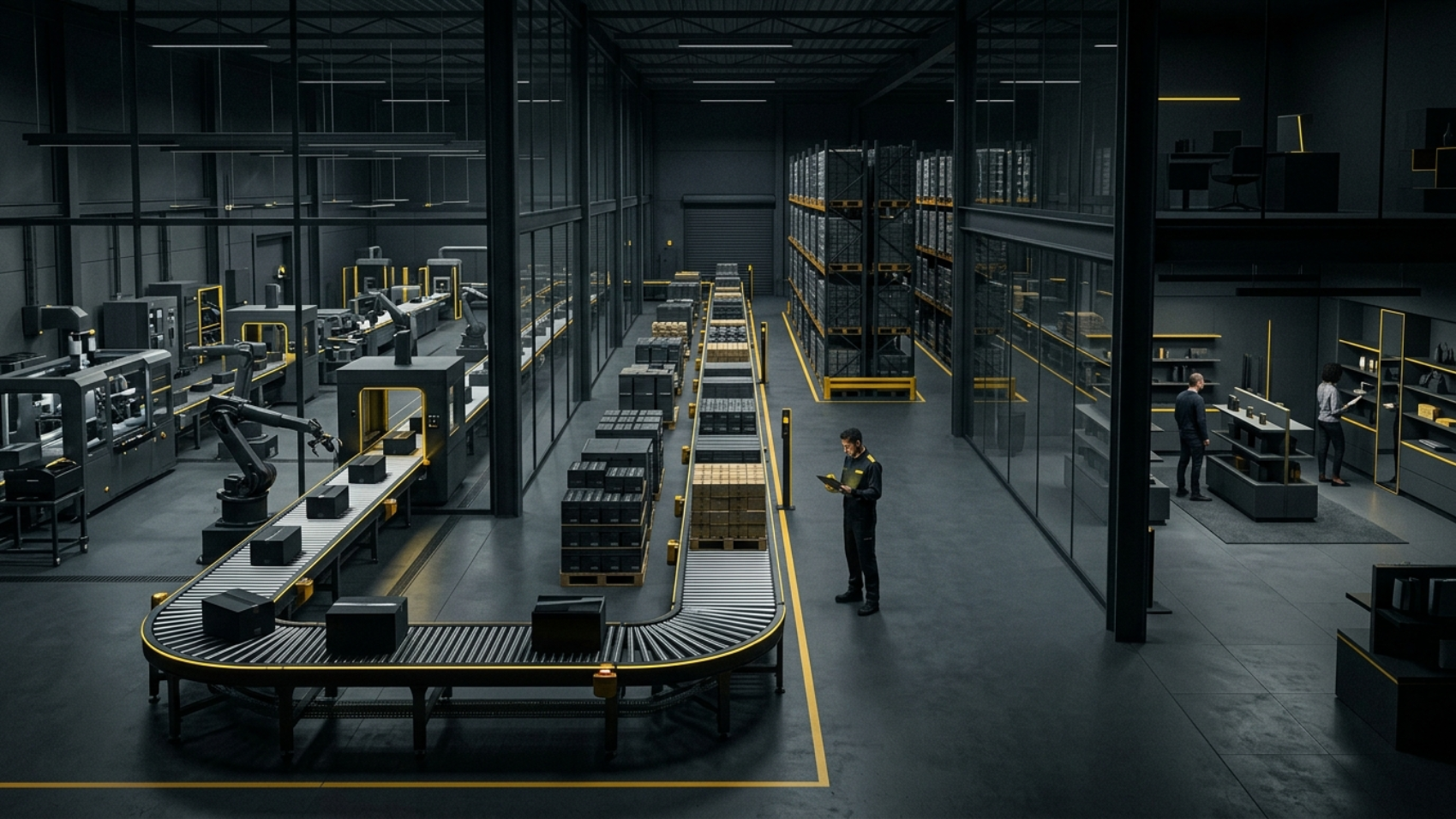
The Misconception: Systems Will Fix It
The default response to operational inefficiency is almost always the same:
Add better systems.
ERP upgrades.
WMS implementation.
Advanced planning tools.
And while these systems improve visibility and structure, they do not solve one critical problem:
Decisions are still slow.
After implementation, what most companies see is:
But not necessarily:
The system becomes more capable.
But the operation does not become faster.
The Real Constraint: Decision Latency
The real constraint in modern manufacturing is not system capability.
It is the delay between:
What happens
and
When a decision is made
This gap is often invisible.
But it is where performance is lost.
We call this:
Decision Latency.

It exists in every part of the operation:
And it compounds over time.
What Decision Latency Looks Like
On the shop floor, decision latency appears as:
In planning and coordination:
Across the supply chain:
Everything is technically working.
But not at the right time.
Why It Matters More Than You Think
Decision latency is rarely dramatic.
It doesn’t break the system.
It slows it down.
But that delay compounds.
A small delay in production becomes:
And by the time the problem is visible:
It is already too late to fix.
This leads to:
Not because the system failed.
But because decisions arrived too late to matter.

The Shift: From Systems to Decision Speed
Manufacturing is no longer constrained by machines.
It is constrained by how fast decisions are made.
The companies that are pulling ahead are not:
They are the ones that:
They reduce the time between signal and action.
That is where real performance improvement comes from.
Conclusion
If your operation feels slow, despite having the right systems in place:
The issue is not capability.
It is timing.
Until decision latency is addressed:
Efficiency gains will remain limited.
CTA
If you want to identify where decision delays exist in your operation:
→ Reach out for a quick diagnostic
Or start with a simple question:
Where do decisions slow down the most today?